Spotlight
AWAIT: Turning waiting time into workout time
At FH Salzburg and the Ludwig Boltzmann Institute for Digital Health and Prevention, researcher Faith Young explores how artificial intelligence can encourage people to be more active in everyday life. The AWAIT project transforms seemingly lost waiting time into an opportunity to get moving.
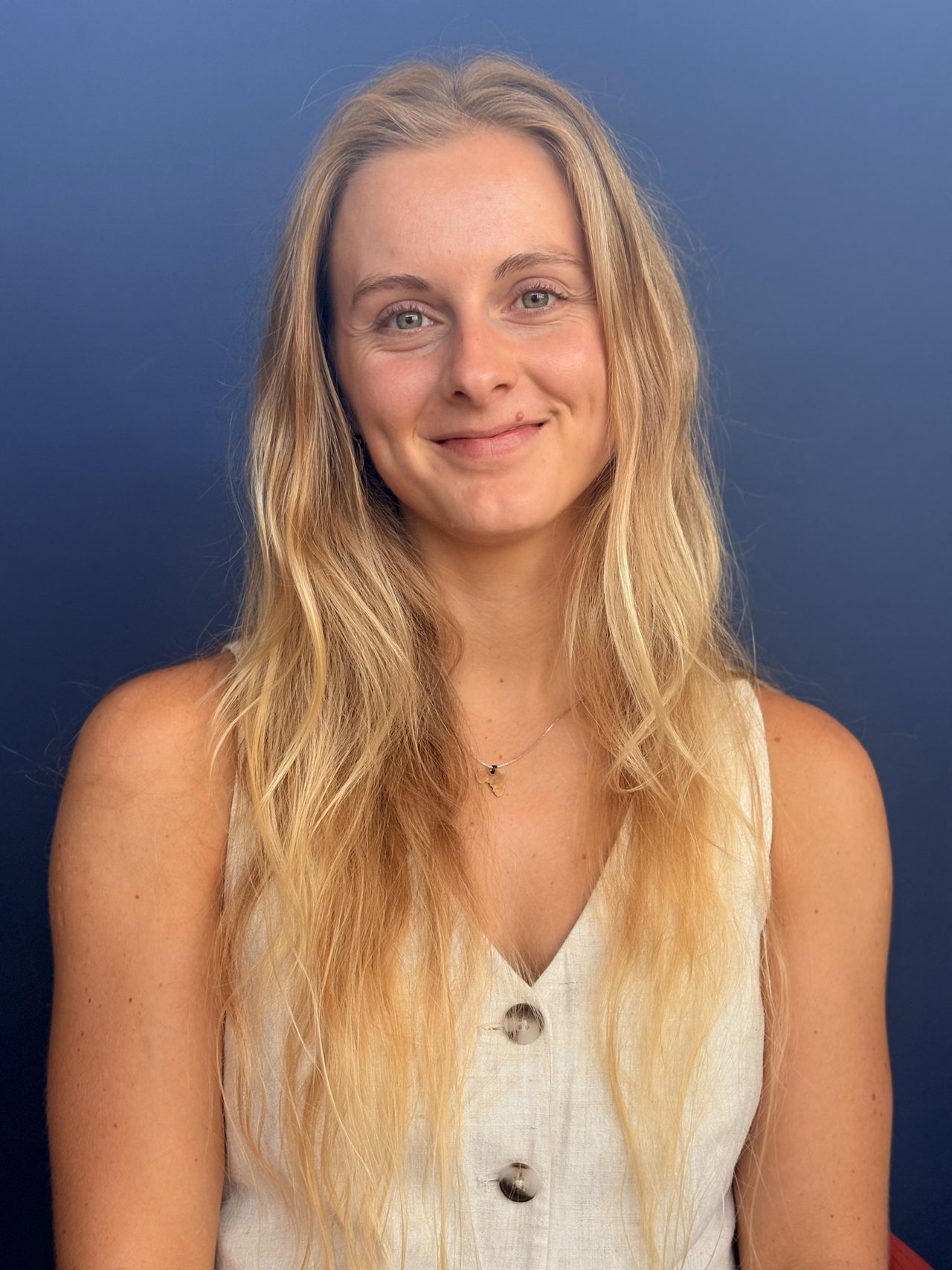
Faith Young, Junior Researcher an der FH Salzburg
Waiting for the bus, for an appointment or for a friend: we often spend these short breaks looking at our phones. This is precisely where AWAIT – Active Waiting with AI Tailoring comes in. The digital health application encourages people to use waiting time for short bursts of physical activity. In the app's generative AI version, users can take a photo of their surroundings with their smartphone. Artificial intelligence analyses the setting and suggests exercises tailored to the environment. A space with stairs or chairs, for example, can lead to recommendations that make direct use of those features.
“With AWAIT, the key question is not simply whether AI can generate exercises. We want to understand whether recommendations that take the user’s immediate surroundings into account actually make a difference: Do people perceive these exercises as more suitable? Does this make them more likely to get moving? And how do different environments affect the user experience and the quality of AI-generated recommendations?”, explains Faith Young, Junior Researcher at FH Salzburg and PhD student, working on the application.
The idea is simple: rather than asking users to decide for themselves what exercise might work in a particular place, the technology makes an immediately suitable option easy to access.
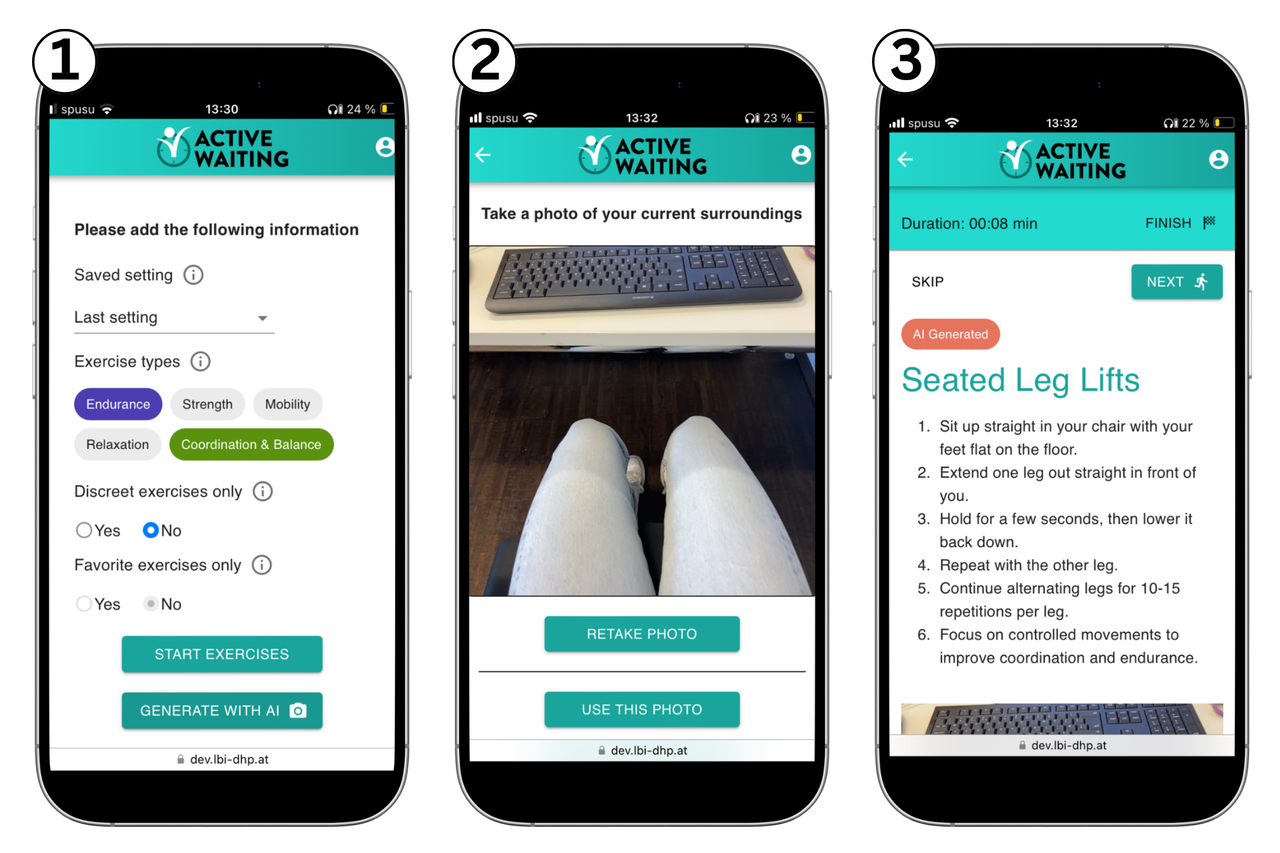
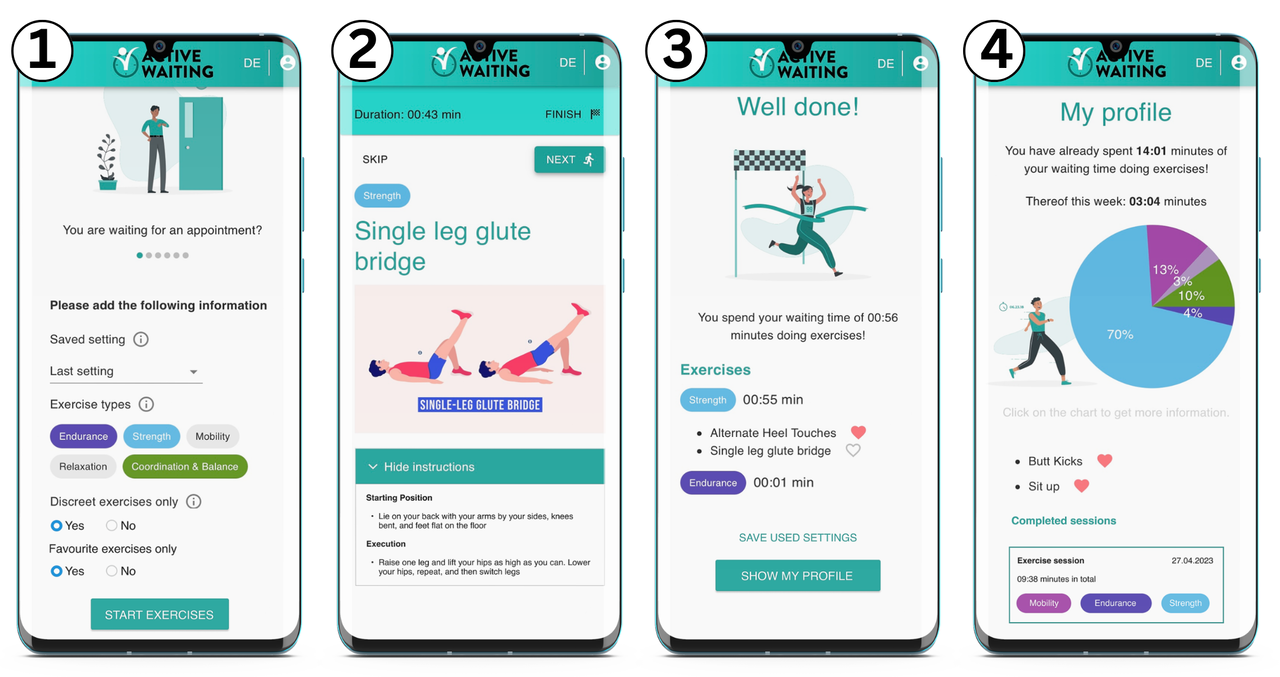
Perfect activity thanks to AI
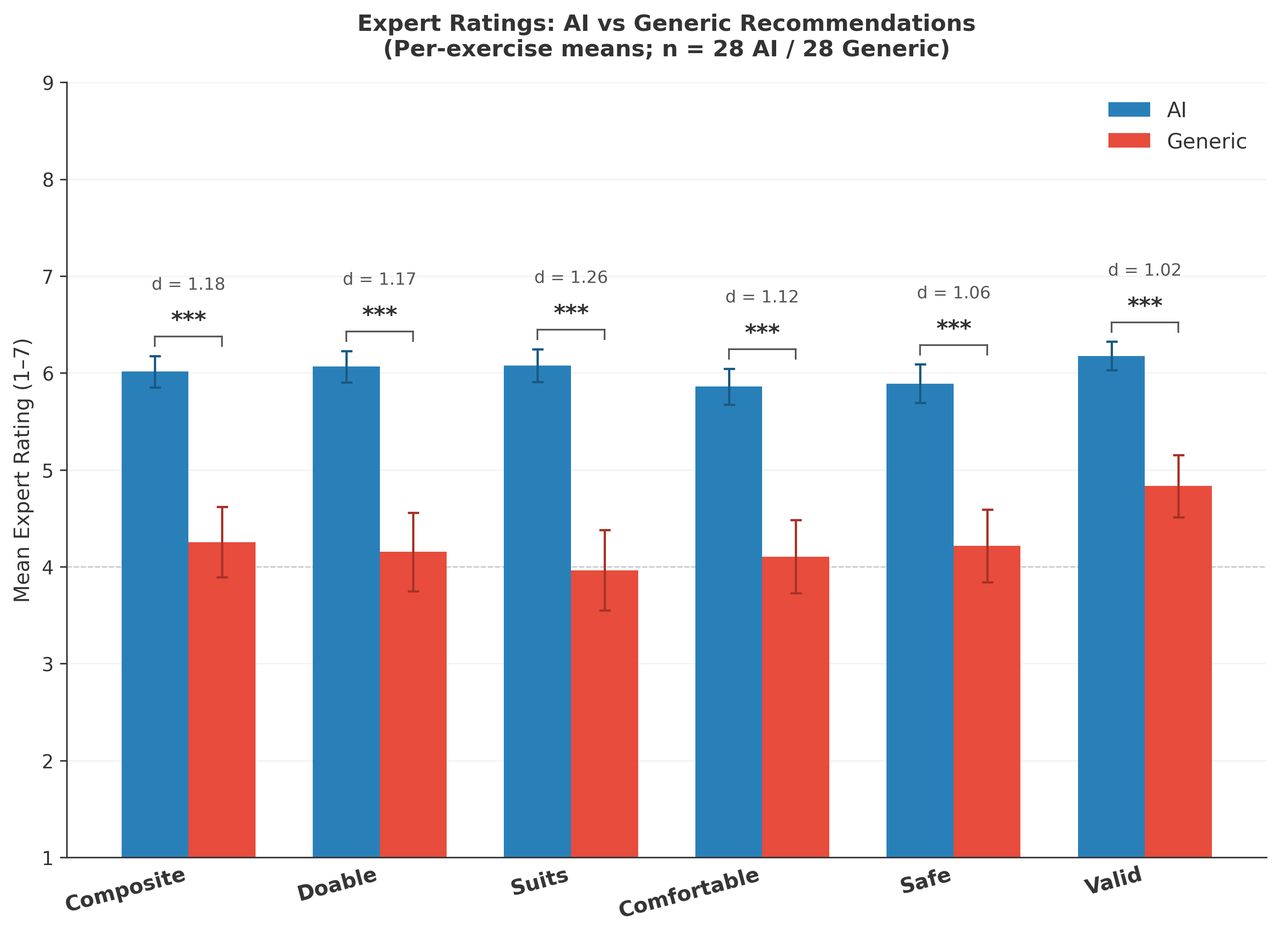
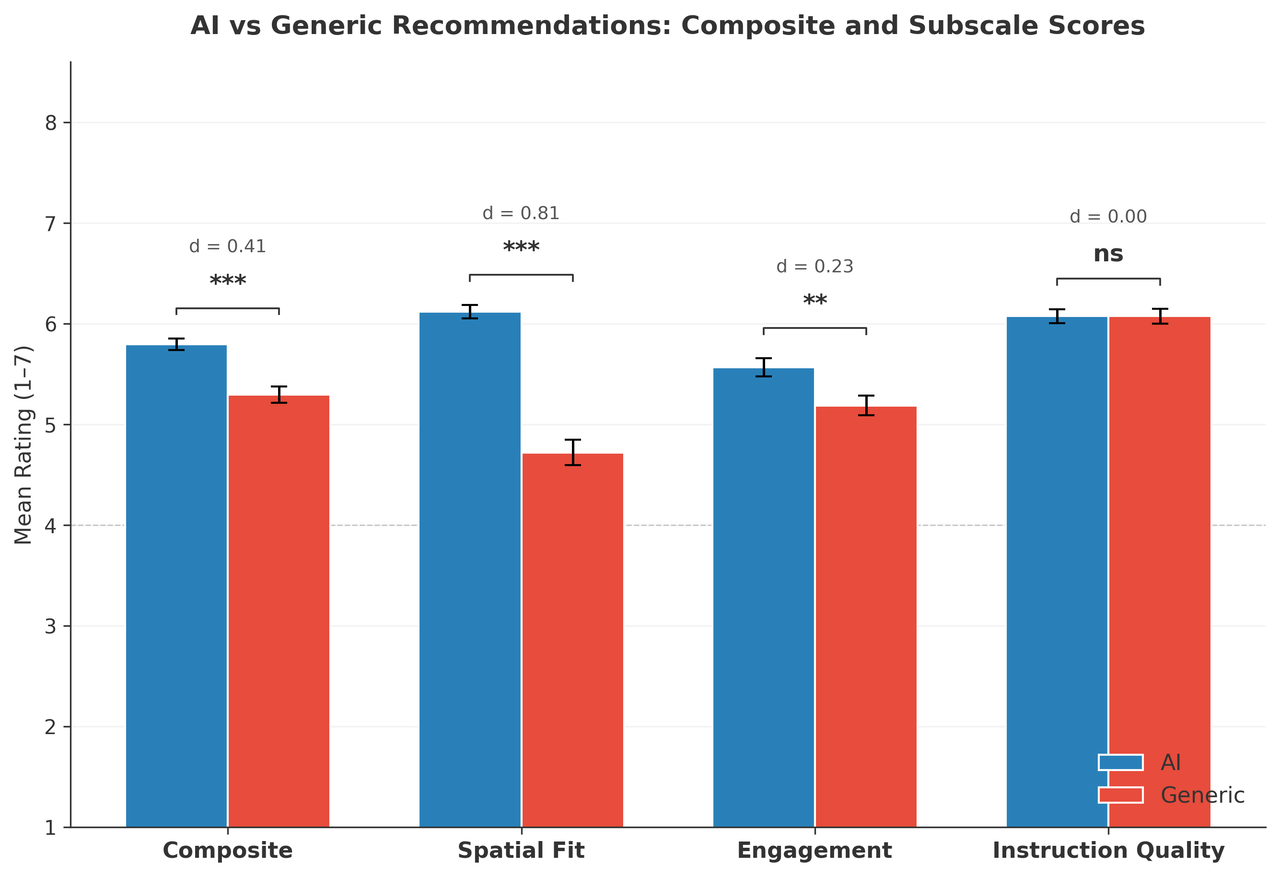
For one study, 25 participants received a total of 600 exercise recommendations through both versions of AWAIT – the AI and the non-AI version – and rated their experiences across different types of environments. Sports scientists and physiotherapists then evaluated the exercises without knowing whether they had been generated by AI or came from the generic version. The contextualised GenAI recommendations performed significantly better, particularly in environments with features such as stairs or chairs, where the suggested exercises were more suitable for the space and feasible to perform. The blinded expert evaluation also showed that the AI-generated exercises themselves were valid and of good quality.
Focus: Human-AI Interaction
For Faith, the project brings together several strands of her academic journey. After completing a Bachelor’s degree in Information Systems at the University of Cape Town, South Africa, she graduated from the joint Master’s programme in Human-Computer Interaction at FH Salzburg and the University of Salzburg in 2022. She then started as a Junior Researcher in the Department of Creative Technologies at FH Salzburg and as a researcher at the Ludwig Boltzmann Institute for Digital Health and Prevention (LBI-DHP). Her work focuses on digital health applications and the interaction between people and AI, with particular interests in Human-AI Interaction and Hybrid Intelligence.
The AWAIT project is also closely connected to Young’s PhD at the University of Salzburg. Her doctoral research explores how technology and guidance for physical activity can motivate people to live healthier lifestyles and is due to be completed next year. The final study adds an XR feature to AWAIT that shows users how to perform a suggested exercise directly in their environment, extending the research from personalised recommendations to guidance on how to put them into practice.
“AWAIT offers a glimpse into how AI could support health promotion in the future: not as an abstract technology, but as a digital companion that adapts to people’s everyday lives and helps turn even a few spare minutes into an opportunity to move.”

The magazine of FH Salzburg
Editor
Fachhochschule Salzburg GmbH
Salzburg University of Applied Sciences
University Communications & Marketing
Urstein Süd 1
5412 Puch/Salzburg
Austria
© 2026 Salzburg University of Applied Sciences GmbH