REVELATION PhD programme
Research in tandem
When biomedicine meets computer science
In the REVELATION PhD programme, early-career researchers from Salzburg University of Applied Sciences and the University of Salzburg are conducting research at the interface between biomedicine and computer science. Two of them are Bettina Gahleitner and Marleen Bahe. As a research duo at Salzburg University of Applied Sciences, they combine immunology, computer vision and machine learning to pioneer new approaches to medical diagnostics.
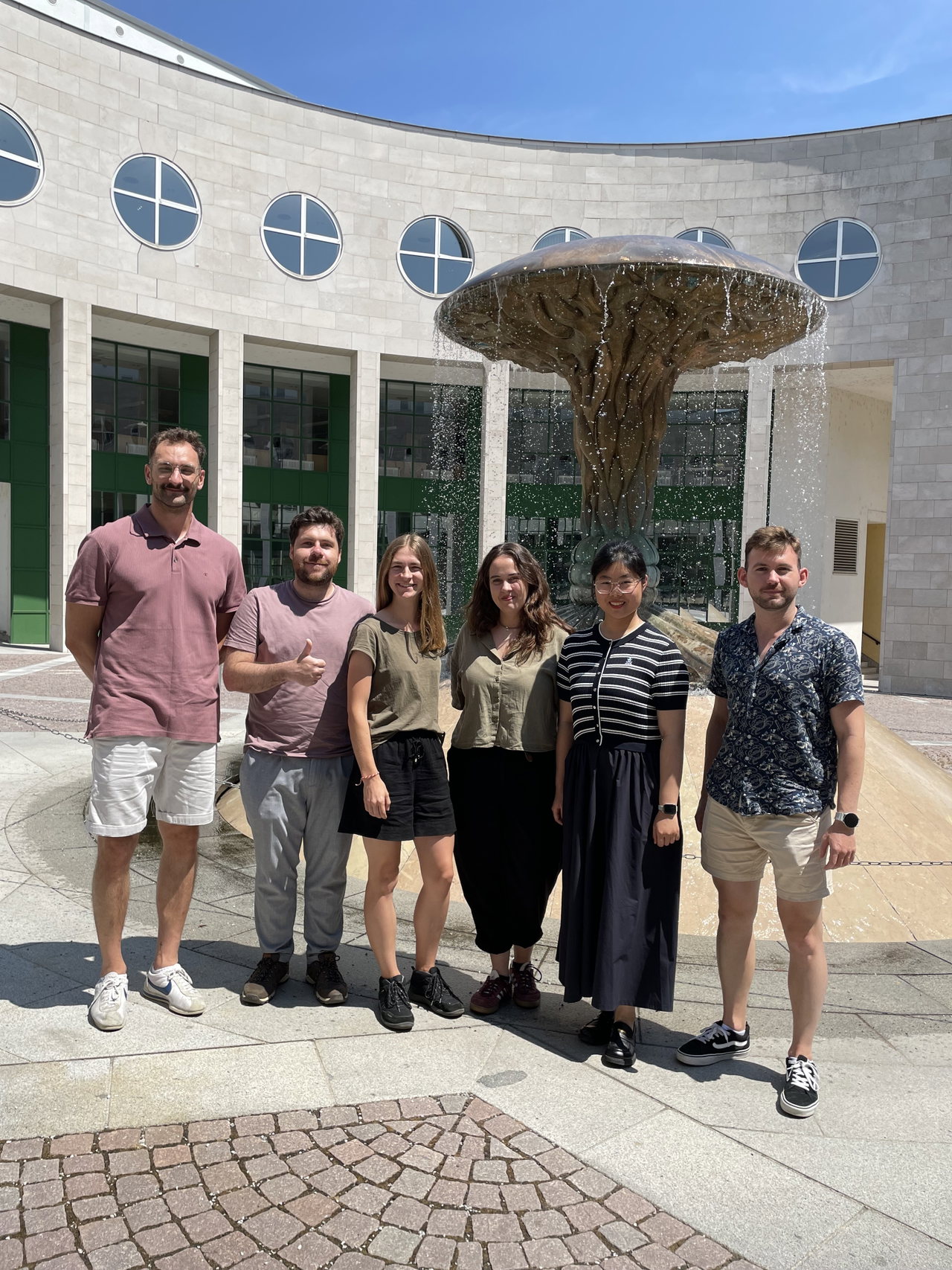
Whilst Bettina Gahleitner is investigating, in the research laboratory of the Biomedical Sciences degree programme, how immune cells react to viruses and what information is hidden in microscopic cell images, Marleen Bahe, in the Department of Information Technologies, is developing machine learning methods to automatically analyse precisely this kind of image data and reveal new patterns.
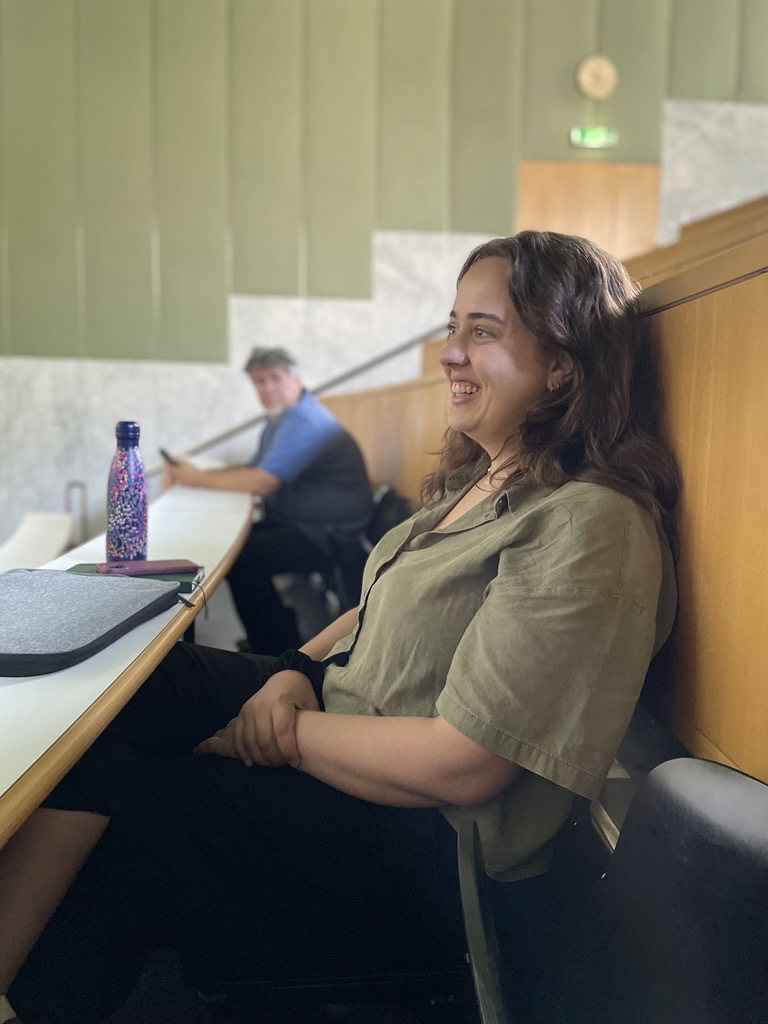
Biomedical Analysis
Bettina Gahleitner
“I am fascinated by how cells work and what happens in the human body at a molecular level,” says Bettina. As part of her PhD research, she is investigating whether long-term immune responses to viruses can be detected by characteristic changes in immune cells. The focus is on the immune system’s memory cells. Gahleitner is investigating whether the response of these cells to specific viral components can be detected through changes visible under the microscope and objectively evaluated using computer vision methods. To this end, she is examining immune responses that can be distinguished on the basis of viral peptides from hepatitis A, measles and SARS-CoV-2. “The aim is to develop a simple, automatable method for detecting long-term cellular immune responses,” explains Gahleitner.
About the person: Having grown up in Herzogsdorf in Upper Austria, Bettina Gahleitner studied Molecular Biosciences on the joint Bachelor’s programme run by the University of Salzburg and JKU Linz, before going on to complete her Master’s degree in Biophysics at JKU. There, she conducted in-depth research into protein biology. Since June 2026, she has been conducting research at Salzburg University of Applied Sciences as part of the FWF-funded doc.funds.connect programme.
Information Technologies
Marleen Bahe
Marleen Bahe comes into the picture to ensure that microscopy images yield actionable insights. The computer scientist develops deep learning models that analyse and interpret complex biomedical image data. Her research focuses on digitally analysing histopathological tissue samples. “This means that time-consuming laboratory procedures involved in the microscopic examination of tissue samples are to be supported by digital image processing in future. The aim is not only for deep learning to deliver results, but also to be developed and used as a transparent tool,” explains Bahe.
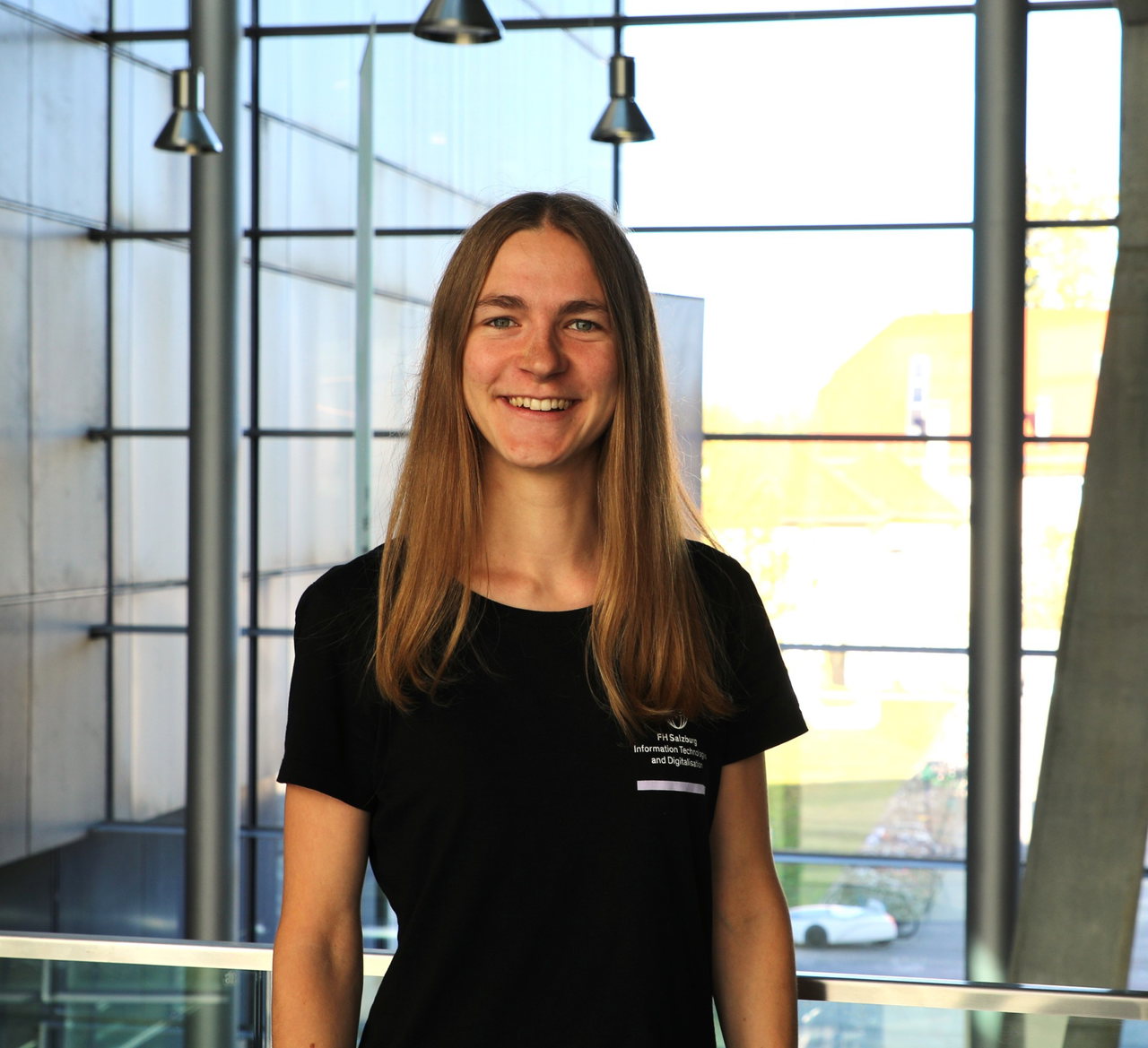
Marleen Bahe, PhD researcher
About the person: Marleen Bahe, who was born in Hamburg, studied Technomathematics at the Technical University of Hamburg and the University of Hamburg. Even whilst studying for her Bachelor’s degree, she developed a passion for the intersection of mathematics, computer science, engineering and medical technology. She completed her Master’s degree in the mountains: the Joint Master’s in Applied Image and Signal Processing at Salzburg University of Applied Sciences and the University of Salzburg. There, she deepened her knowledge of signal processing, data science and machine learning. She then worked first as a data scientist at Salzburg Research and subsequently as a machine learning engineer at MED-EL, where she developed intelligent systems for the fitting of hearing implants. Since September 2025, she has been conducting research as part of the REVELATION PhD programme at Salzburg University of Applied Sciences.
“I find translating between different subject areas and specialist disciplines particularly exciting,” says Bahe. This is precisely what characterises the collaboration within the REVELATION programme. Biological expertise meets mathematical models; laboratory work meets algorithms. “Biomedicine, alongside my fascination with medical technology, is a major source of motivation for me. It’s not just about developing new methods, but also about making a long-term contribution to people and society,” adds Bahe.
For Bettina Gahleitner, too, this interdisciplinary exchange is what makes the programme so appealing: “Even differences in light sources or exposure settings in microscopy images can play a role on the AI side. That is one of the challenges we have to tackle as a team.” In the long term, the methods developed in the project could help to make laboratory processes more efficient, speed up diagnoses and support doctors with complex analyses. Marleen Bahe points, for example, to the field of ‘virtual staining’, in which AI could digitally replace certain staining steps in tissue samples. Images would thus be generated within seconds rather than hours, while also saving resources and chemicals.
Regular meetings within REVELATION provide a forum to discuss these kinds of questions together. The PhD students are supported in this by researchers from both universities. For the Salzburg University of Applied Sciences, the FWF-funded doc. funds.connect programme marks an important step in its research development: For the first time, PhD students are conducting research as part of a joint doctoral programme at the University of Applied Sciences. In total, REVELATION comprises six interlinked dissertations, thereby forming a new interface between applied research at the University of Applied Sciences Salzburg and fundamental research at the university.

The magazine of FH Salzburg
Editor
Fachhochschule Salzburg GmbH
Salzburg University of Applied Sciences
University Communications & Marketing
Urstein Süd 1
5412 Puch/Salzburg
Austria
© 2026 Salzburg University of Applied Sciences GmbH