Research
Research that makes a difference
The Department of Health Sciences is committed to research that brings direct benefits to patients, healthcare professionals or the healthcare system. Collaboration is key to the success of these practice-oriented projects.
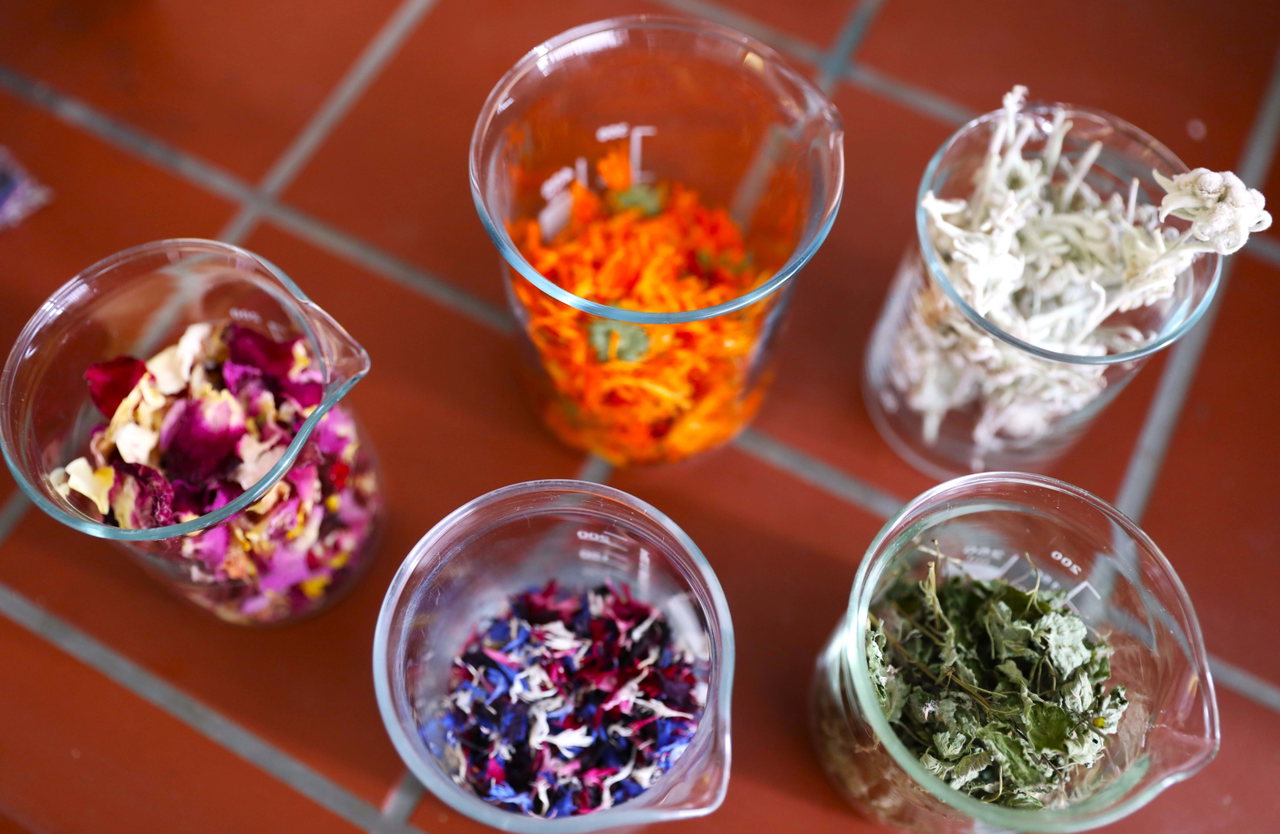
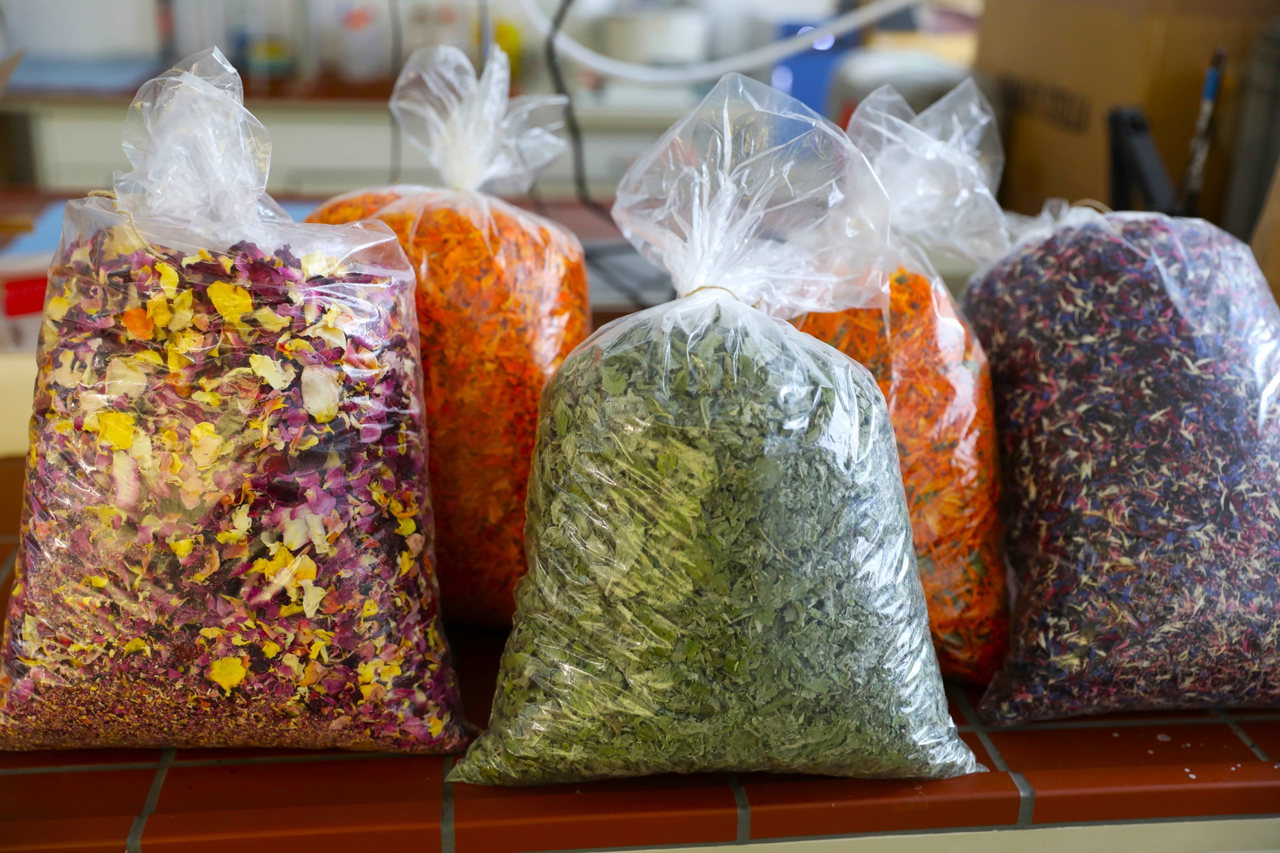
Lady’s mantle, thyme, lemon balm, yarrow and meadowsweet: these are just a few of the native Alpine plants whose constituents have been meticulously examined and identified in recent years by the Biomedical Sciences team led by Anja Schuster. The research group is particularly interested in the antibacterial and wound-healing properties of many medicinal plants and is now looking into targeted applications of these compounds in the field of dermatology. “We are focusing primarily on acne and atopic dermatitis,” says Schuster. Whilst these plants hold great significance in folk medicine, she explains, they are less commonly used in the treatment of skin conditions. This represents a new field of application, the researcher explains. Currently, the team behind Nettle4EU – the name of the project funded by the Interreg Italy–Austria programme – is in discussions with companies, pharmacies and dermatologists to identify the greatest need for medicinal products based on plant-derived ingredients that could help with acne or atopic dermatitis.
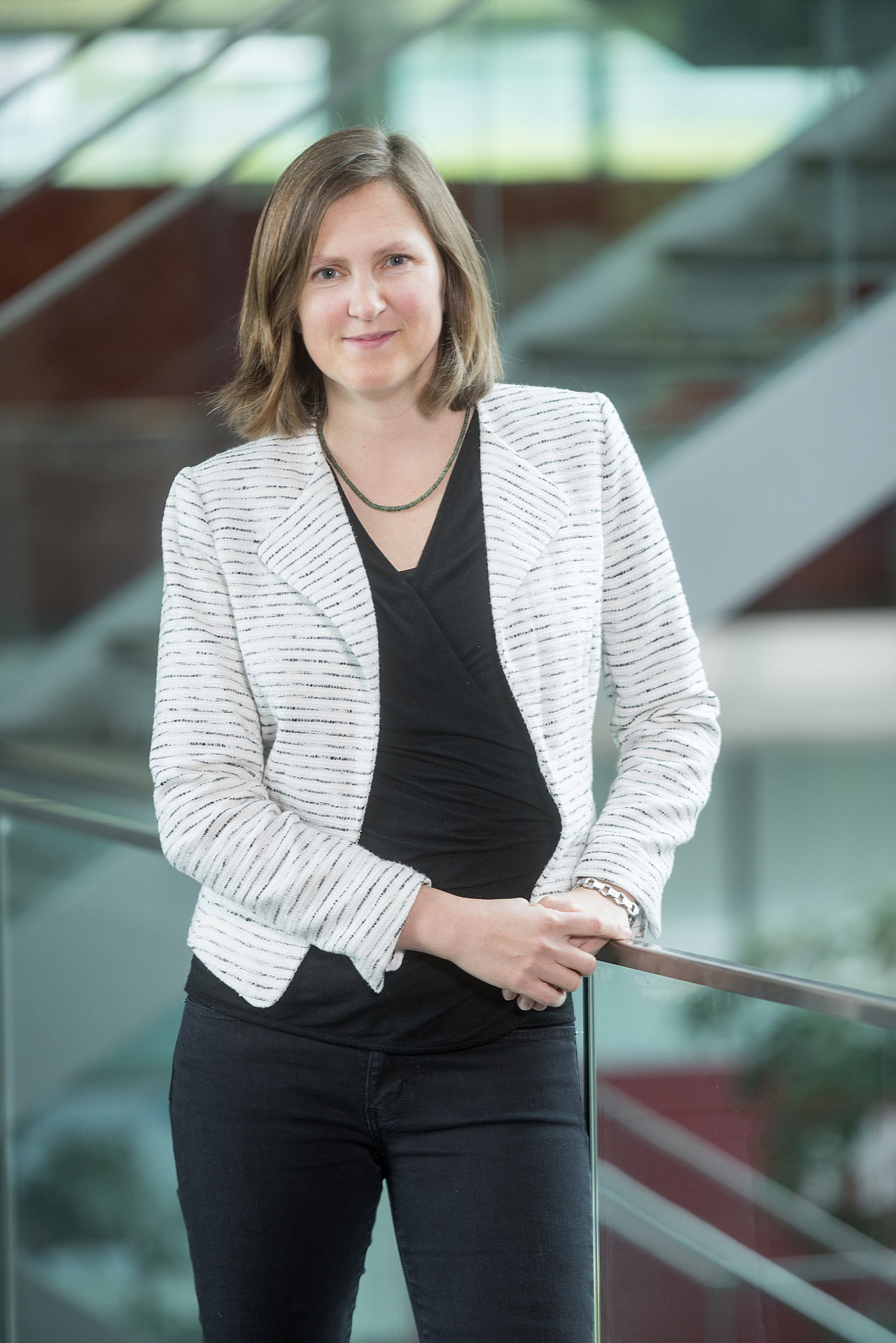
Anja Schuster, Biomedical Analysis
Nettle4EU illustrates the focus of research at the Department of Health Sciences at FH Salzburg. The common aim of all research activities is to deliver direct benefits to patients, healthcare professionals or the healthcare system. “Our research is very much focused on producing results that can actually be put into practice,” emphasises Geja Oostingh, Head of Research: “This is achieved primarily through collaboration. We almost always work together with other departments or institutions on our research.” These may include hospitals, companies or international research partners, as well as other departments or degree programmes at Salzburg University of Applied Sciences.
The research focus Applied Health Innovation brings together expertise from the degree programmes in Physiotherapy, Midwifery, Nursing, Orthoptics, Occupational Therapy, Radiological Technology and Biomedical Analysis, and gives rise to fascinating research questions.
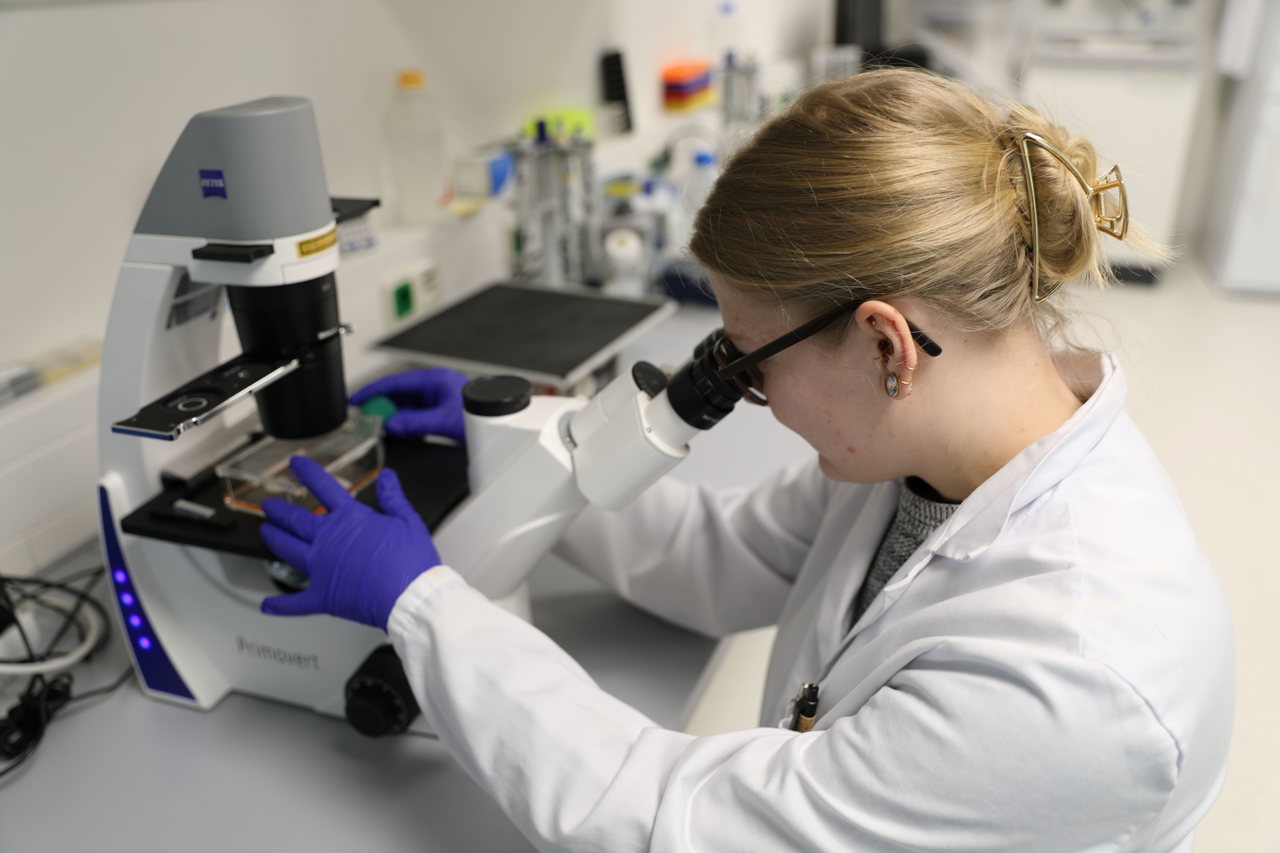
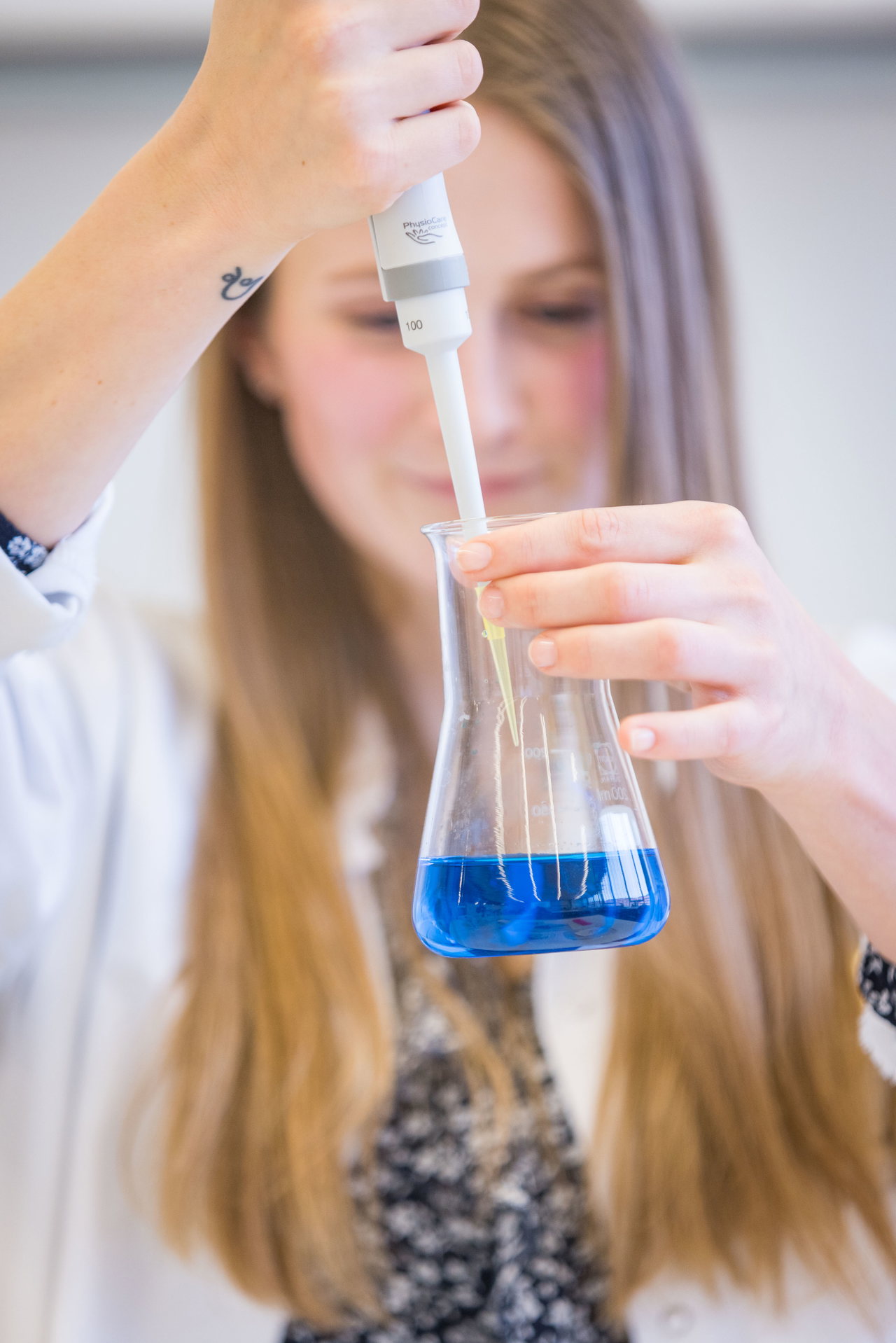
The department’s research is organised into two groups: ‘Advances in Resilient Health Systems and Health Education’ focuses on sustainable healthcare, the impact of climate change on health systems, digital health solutions, interprofessional collaboration, and health literacy. The second group, ‘Advances in Diagnostics and Medical Sciences’, investigates – as with Nettle4EU – the effects of plant-based compounds on human skin, develops modern diagnostic methods and AI-supported imaging techniques.
PhD programme combines biomedicine, imaging and AI
The REVELATION doctoral programme, funded by FWF – doc.funds.connect, was recently launched. It focuses on AI-driven innovations in biomedical imaging and is being carried out in collaboration with the University of Salzburg. The programme supports six doctoral projects with an interdisciplinary focus. “We are building a bridge between health sciences and AI,” says Oostingh in her role as Head of Research at the department. The aim is to analyse medical data even faster and more effectively using artificial intelligence. Whilst such methods are already quite widespread in cancer diagnostics, for example, the REVELATION programme aims, amongst other things, to analyse data that provides insights into patients’ immune status. “The aim is to achieve more accurate and faster diagnoses and a higher degree of personalisation in treatments,” explains the Head of Department.
Dealing with heat stress as a research question
This year’s hot summer has shown how relevant the department's research questions are. Melanie Roth’s research group (Advances in Resilient Health Systems and Health Education) is investigating the impact of rising temperatures on the healthcare system. Specifically, one project involved creating a heat map for 64 rehabilitation centres across Austria. This involved analysing the daily maximum temperatures over the past 30 years. The aim is to provide reliable data on how many hot days, desert days and tropical nights can be expected at a given location. It makes a real difference, particularly for vulnerable patients and staff, whether the average maximum temperatures at a site are around 30 or 25 degrees. “Based on this, measures can be devised,” says Roth: “Rehabilitation follows a standardised procedure.”
“
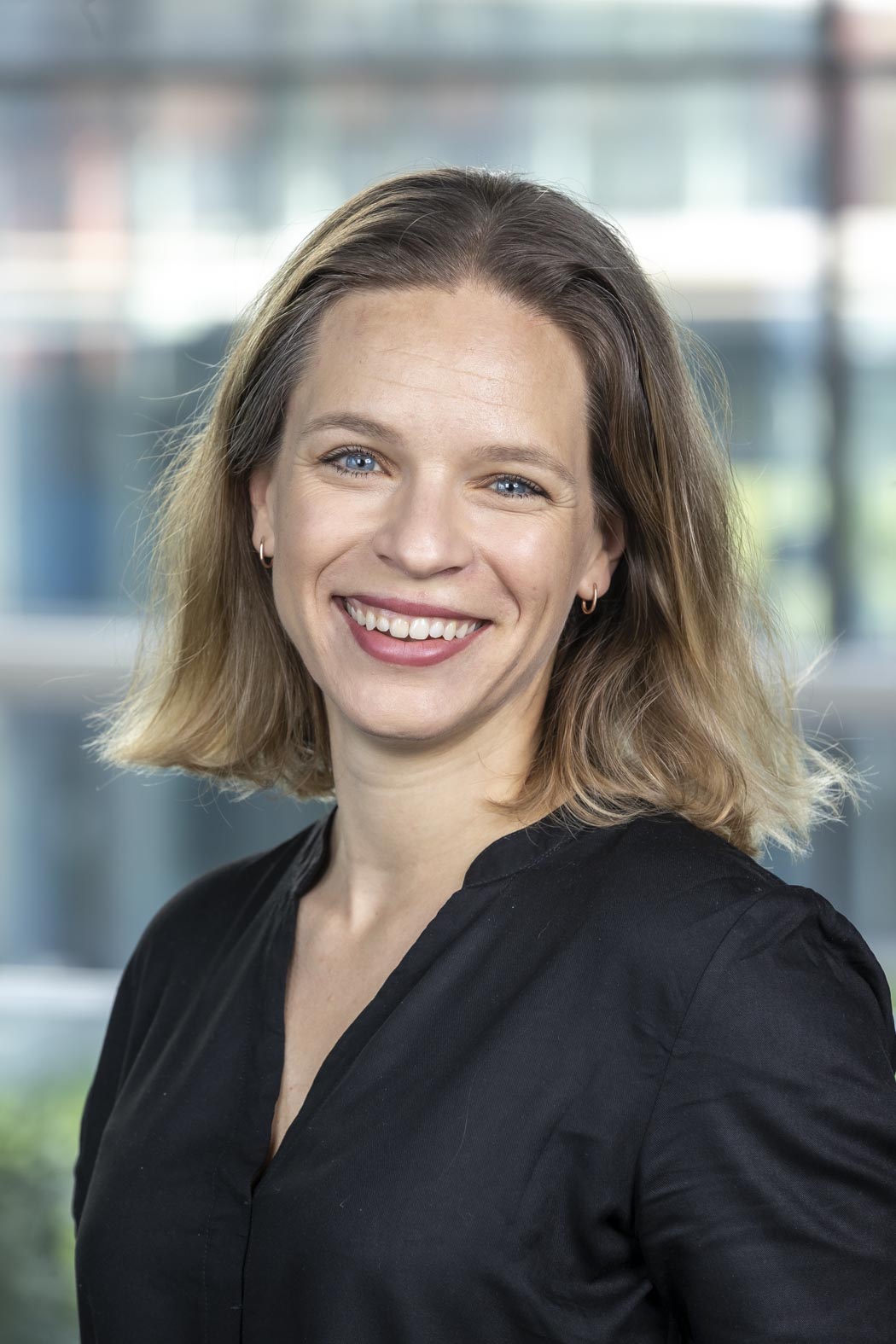
“If care homes are aware of the potential risks, heat protection plans can be implemented more effectively and procedures can be adjusted; for example, patients’ outdoor activities can be rescheduled for the morning or evening, or the intensity of their physical activity can be adjusted to suit the heat.”
Melanie Roth, Head of Research Group Advances in Resilient Health Systems and Health Education
As part of the HeatCare project, staff at rehabilitation centres, health resorts and care homes for older people were surveyed about their exposure to heat and any adaptation measures they had taken. This provides an important basis for deriving facility-specific solutions from general heat protection plans, as the main focus here, too, is applying the knowledge generated by the project.
App-based support for work placements
An app currently being developed by Roth’s research group could also improve day-to-day practice in healthcare settings. Work placements in hospitals, doctors’ surgeries or care homes make up a large part of the training in health science degree programmes, particularly in nursing. These practical placements involve a great deal of administrative work for the respective institutions. “Our app is designed to significantly simplify the management of these placements,” explains Roth. The concept has been in place since autumn 2023, and funding for its implementation has now been secured. A software company will program the app in 2027, with the planned statewide roll-out for the Nursing degree porgramme scheduled for autumn 2028. “It’s about digitising the work placement process,” says Roth: “Ultimately, the aim is to free up more time for patients whilst simultaneously improving the quality of training.” Two goals that make the research worthwhile.

The magazine of FH Salzburg
Editor
Fachhochschule Salzburg GmbH
Salzburg University of Applied Sciences
University Communications & Marketing
Urstein Süd 1
5412 Puch/Salzburg
Austria
© 2026 Salzburg University of Applied Sciences GmbH