International
Health education without borders
The academisation of the healthcare professions 20 years ago also boosted internationalisation within the healthcare sector. This has led to the creation of international networks, exchanges and projects that broaden our horizons beyond our own profession and our own healthcare system. After all, what we teach and learn must hold up in an international context.
In the healthcare professions in particular, a change of perspective is often more than just an interesting experience abroad. Training, job profiles and healthcare systems vary from country to country. This European and international diversity is an integral part of the training at FH Salzburg. Students can undertake work placements abroad, whilst teaching staff can go abroad through ‘staff mobility’ schemes. Sometimes, however, the exchange begins at home – as a mentor for incoming students or at international networking events. The funding streams provided by the EU’s Erasmus+ programme are the key enabler in this regard.
“International networking is changing the way healthcare professions are taught and opening up opportunities for collaboration that can give rise to new research questions. Looking beyond our borders shows that we can learn from one another and, at times, also reveals aspects of our own system that are by no means self-evident,” emphasises Geja Oostingh, Head of Department.
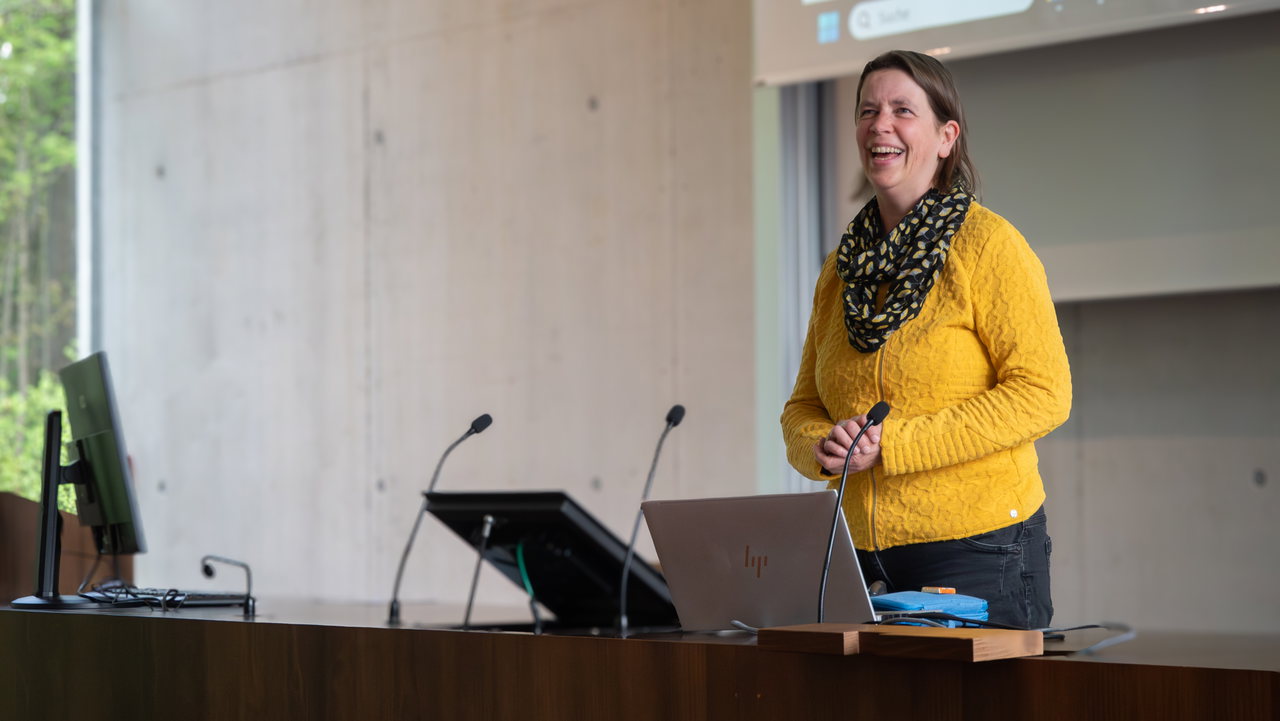
Head of Department Geja Oostingh
International professional networks
For many years, the various disciplines within the department have been part of international networks. For example, the Nursing degree programme is the only Austrian higher education institution in the ‘European Network of Nursing in Higher Education’ (ENNE). In addition to regular meetings of the universities’ coordinators, the network also offers ‘Blended Intensive Programmes’ (BIPs). This format combines digital collaboration with a short period of face-to-face study abroad. In April 2026, around 80 students and lecturers from across Europe came together at Salzburg University of Applied Sciences through this funding scheme to develop their nursing skills in a cross-border setting. One participant summed it up aptly: “We may speak different languages, but we all speak the language of nursing.”
Other degree programmes have also been fostering international professional networks for many years. This exchange ranges from teaching and the recognition of academic credits and professional qualifications to legal issues in the healthcare sector.
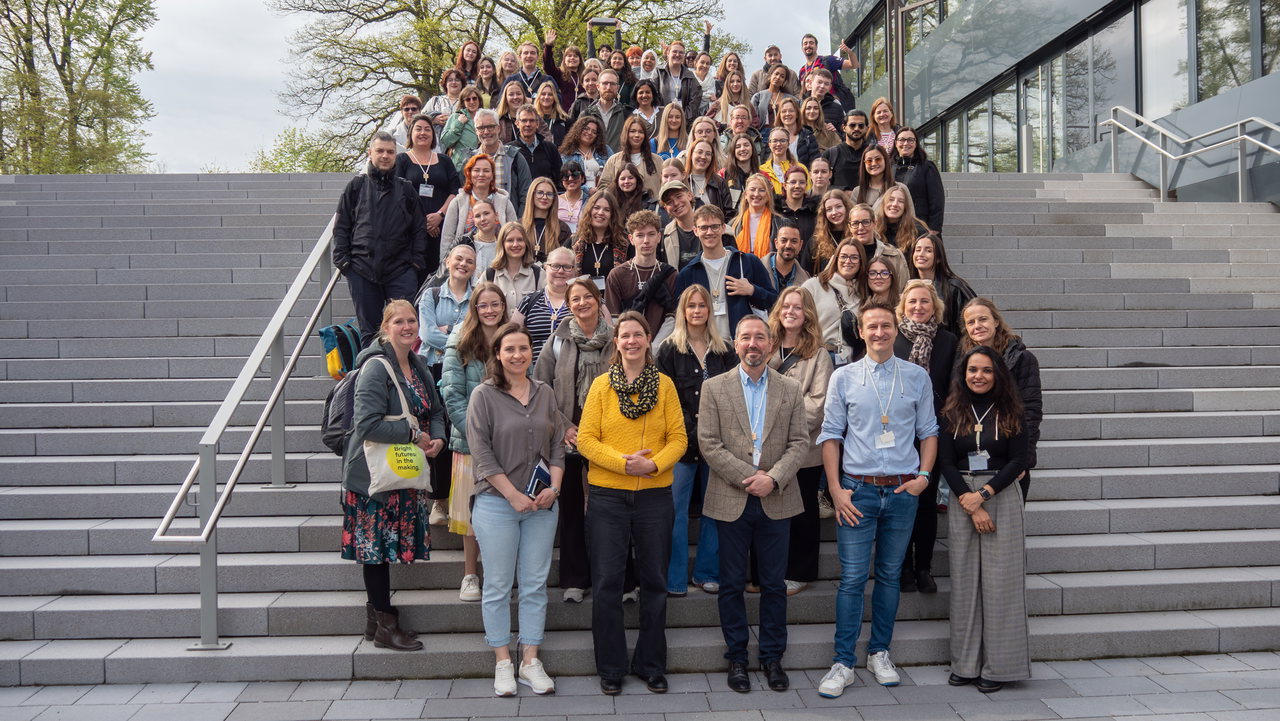
Blended Intensive Programme organised by the European Network of Nursing in Higher Education (ENNE) at Salzburg University of Applied Sciences, April 2026
Audio
Christoph Meinhart, Head of Degree Programme and Vice-President of ENNE
“What differences between European nursing training programmes make you reflect time and again on your own training?”
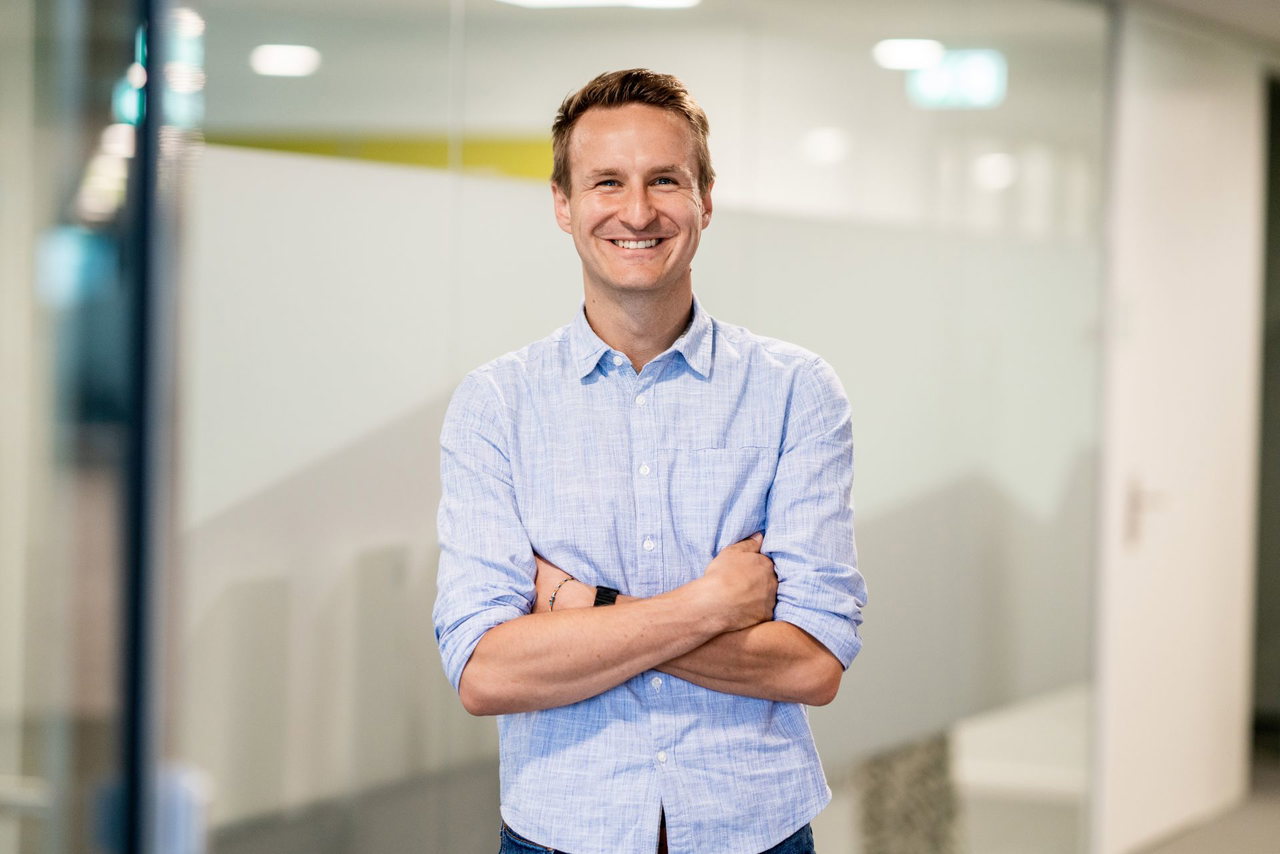
Christoph Meinhart, Head of Degree Programme and Vice-President of ENNE
Learning together, across borders
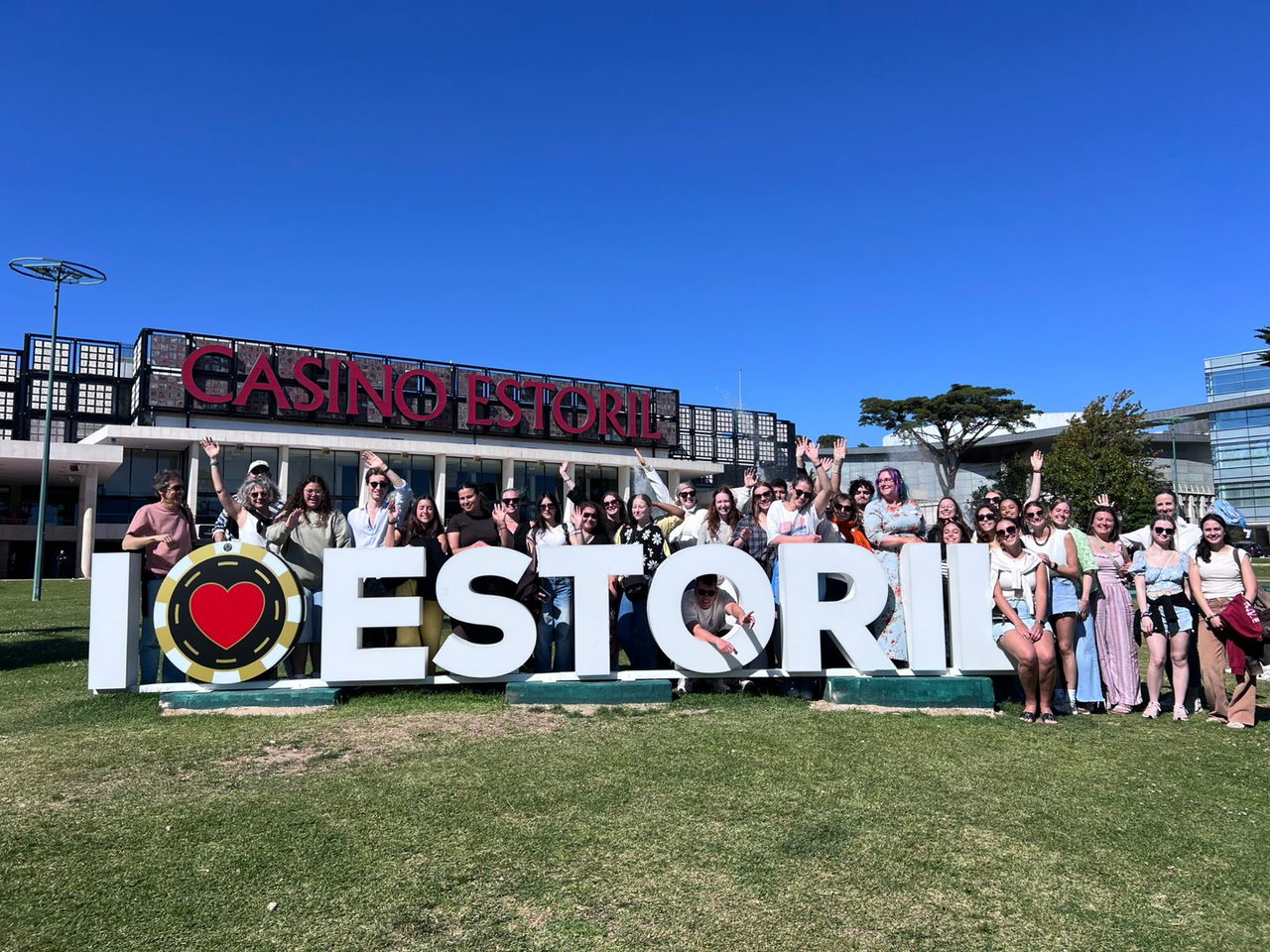
Even smaller degree programmes promote international networking in teaching and make use of various EU programmes to facilitate short-term stays, thereby offering as many students as possible the opportunity to gain experience abroad. The Occupational Therapy degree programme has also relied on ‘Blended Intensive Programmes’ (BIPs) in recent years. As part of the Erasmus+-funded BIP ‘Go4EOT – Go for European Occupational Therapy’, Occupational Therapy students travelled to Portugal in May 2026. Together with students and lecturers from six European countries – following intensive online preparation – they spent several days working together on site on innovative project ideas to promote participation, inclusion and equitable access to meaningful activities.
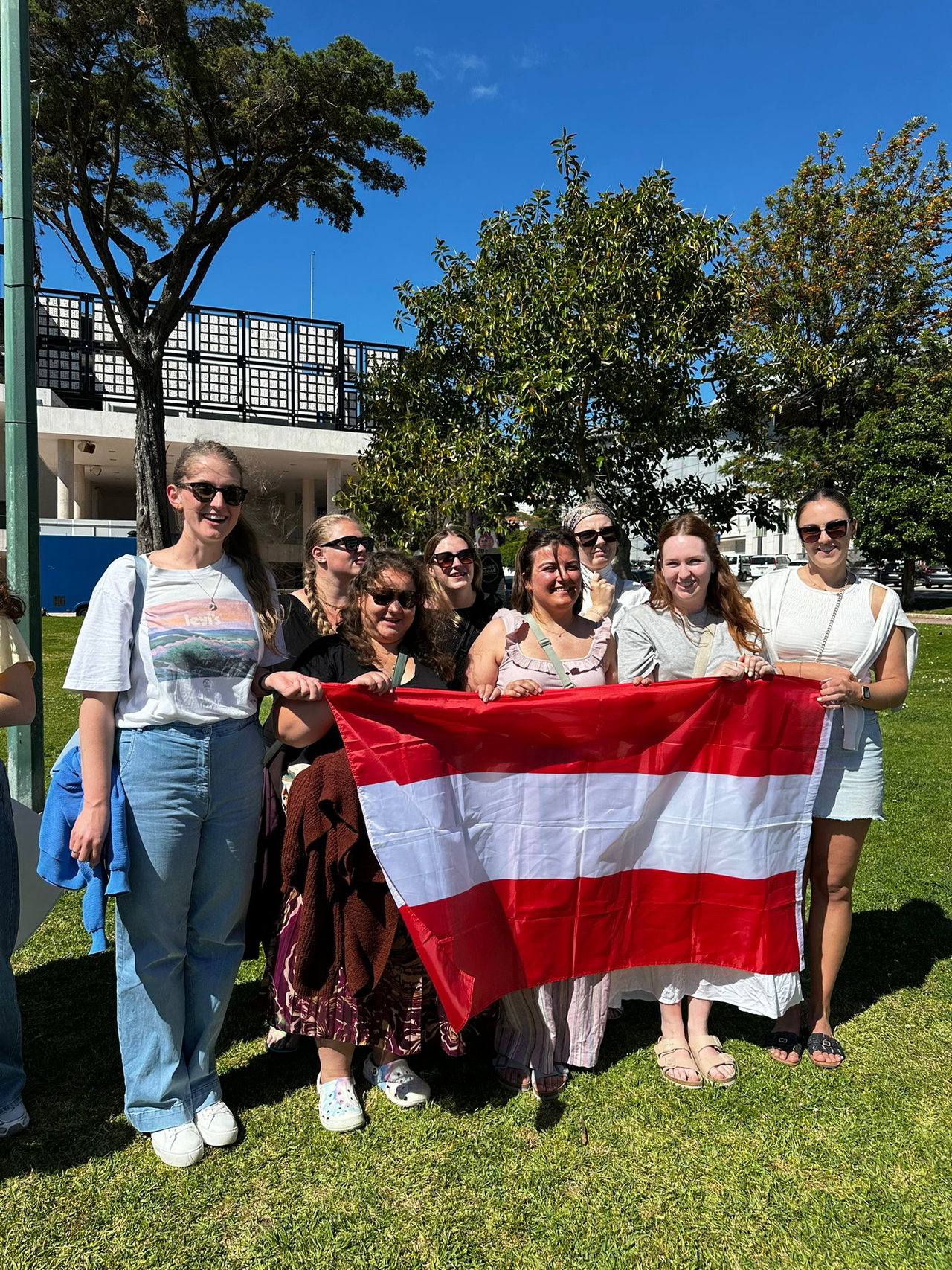
BIP ‘Go4EOT – Go for European Occupational Therapy’ in Portugal, May 2026
Audio
Katharina Radak-Scherer, Occupational Therapy
“What do students learn from one another on an international programme that they would not gain from a purely national course?”
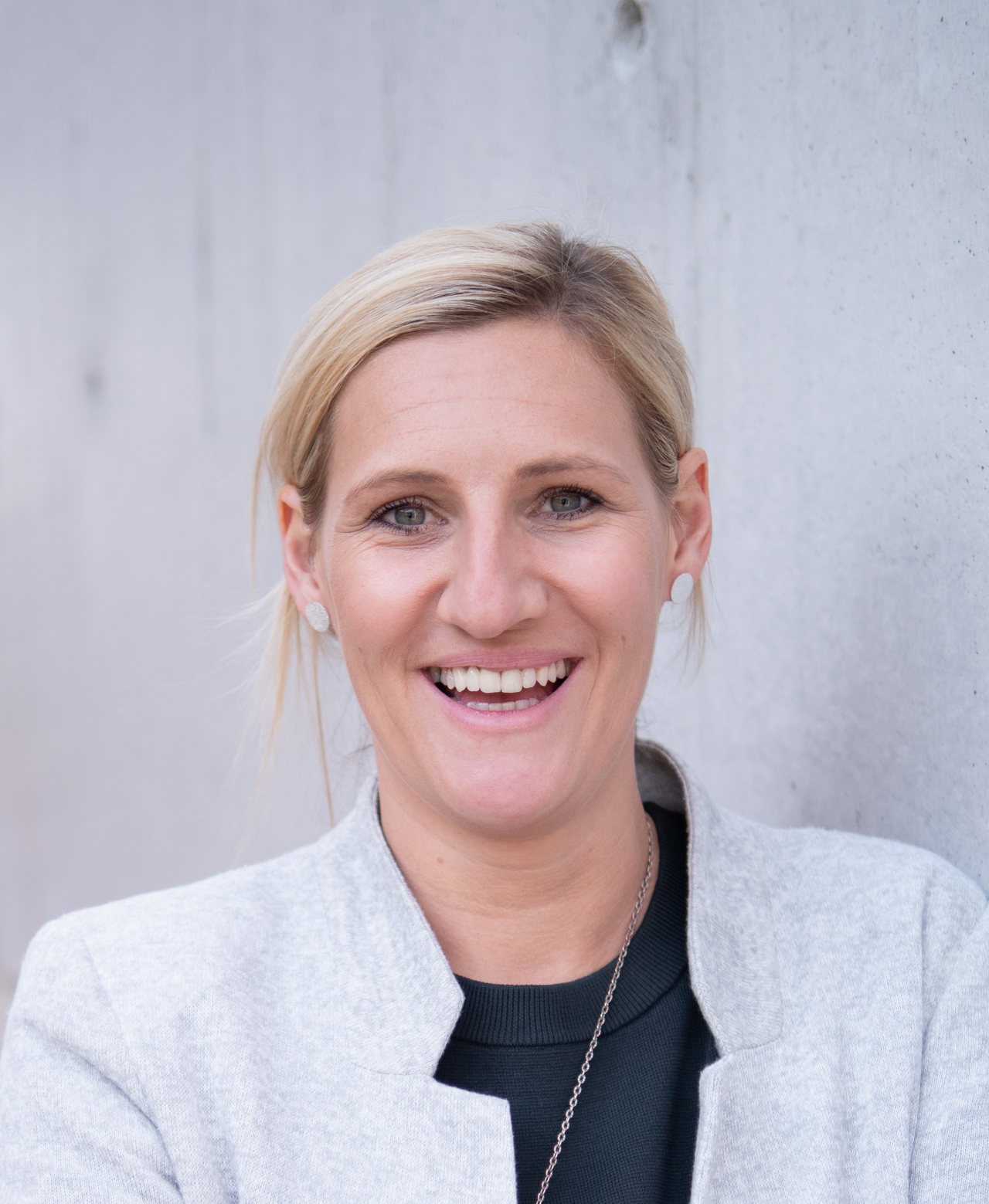
Katharina Radak-Scherer, Head of Degree Programme Occupational Therapy
In Biomedical Sciences, internationalisation is even a separate subject in the curriculum. Teaching staff also regularly gain new perspectives, for example through staff exchanges with other countries. In other degree programmes, work placements abroad, conferences or incoming students mean that international experiences become part of everyday student life. At the OCE Education Committee Meeting in Belgium, representatives from the orthoptic sector across Europe recently discussed differences and possible harmonisation in orthoptic training.
COILs, ‘Collaborative Online International Learning’, offer an international atmosphere without the need to travel; these are international courses in which students work together across national borders. Among midwives, meanwhile, international collaboration extends to the question of how obstetrics can be developed further through joint efforts.
From exchange to a European network
Individual encounters often give rise to long-term connections. Today, there are 34 active partnership agreements in the health sciences across 18 countries. Projects and networks such as EDUCARE 5.0 take this collaboration to the next level: universities and partners are working together to explore how healthcare, education and innovation can be further developed in Europe.
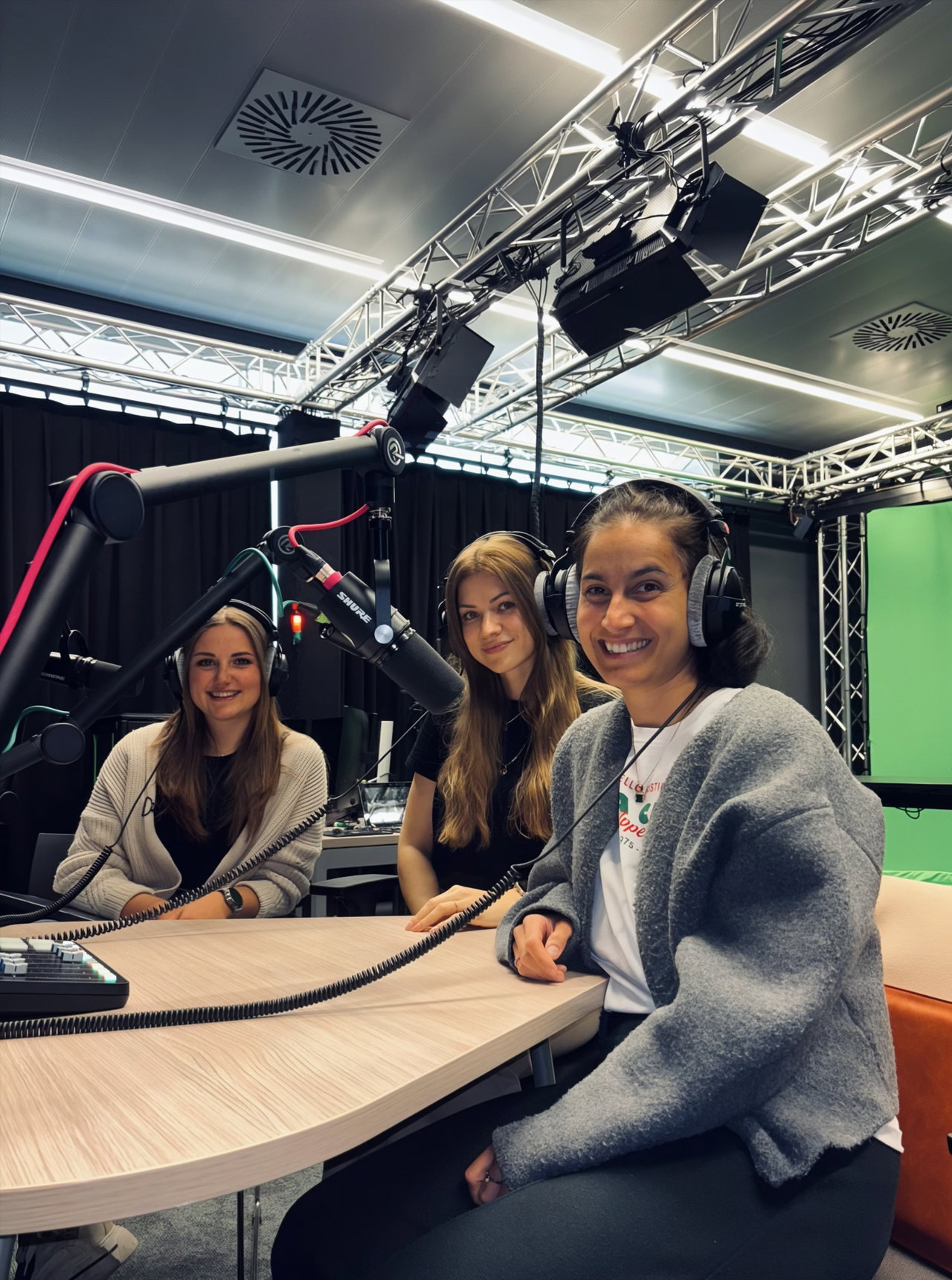
Podcast recommendation
A Life Abroad – the podcast from the International Office at Salzburg University of Applied Sciences
In this episode, Vanessa Schmalz, an occupational therapy student, talks about her work placement at a children’s hospice and coming to terms with death. Following the loss of her mother, she set off on a journey and gained profound insights into various cultures. In an open and reflective manner, and with remarkable ease, she describes how other countries deal with dying and grief – and what she herself has learnt from the experience.
Funded by the European Union. However, the views and opinions expressed are solely those of the author(s) and do not necessarily reflect those of the European Union or OeAD-GmbH. Neither the European Union nor OeAD-GmbH can be held responsible for them.

The magazine of FH Salzburg
Editor
Fachhochschule Salzburg GmbH
Salzburg University of Applied Sciences
University Communications & Marketing
Urstein Süd 1
5412 Puch/Salzburg
Austria
© 2026 Salzburg University of Applied Sciences GmbH