Interview
Shaping the future of the IT Department
In May 2026, Cornelia Schneider took over as Head of the Department of Information Technologies and Digitalisation. She succeeds Gerhard Jöchtl, who built up the department and played a key role in shaping it over more than 30 years. Today, it is one of Austria’s leading IT training institutions and is regarded as a major research partner in the region.
— Ms Schneider, you took over as head of the IT department in May. What expertise do you bring to the role, and what brought you to Salzburg?
I worked at the University of Applied Sciences in Wiener Neustadt for around seven years, where, amongst other things, I helped establish the Institute of Computer Science. Prior to that, I spent several years working in industry and on research projects. My specialist background lies in software engineering for the medical sector. I then turned my attention more towards research and spent around ten years at Salzburg Research, where I also completed my PhD in the field of motion data analysis. For me, Salzburg is an ideal location not only professionally but also personally – as a native of the Pinzgau region, I am delighted to be making a difference here.
— What is your vision for the department?
Our goal is clear – and I believe I can confidently speak on behalf of the entire team: we want to strengthen Salzburg as a location for digitalisation and applied computer science. A central focus is on Industrial Informatics, meaning the integration of IT and industrial applications – an area with enormous innovation potential for the region, and one that also connects well with healthcare-related topics.
In addition, we see our key areas of focus as systems engineering, cybersecurity, artificial intelligence, and robotics. We aim to be the first point of contact for both students and companies when it comes to not only understanding technological developments, but actively shaping them.
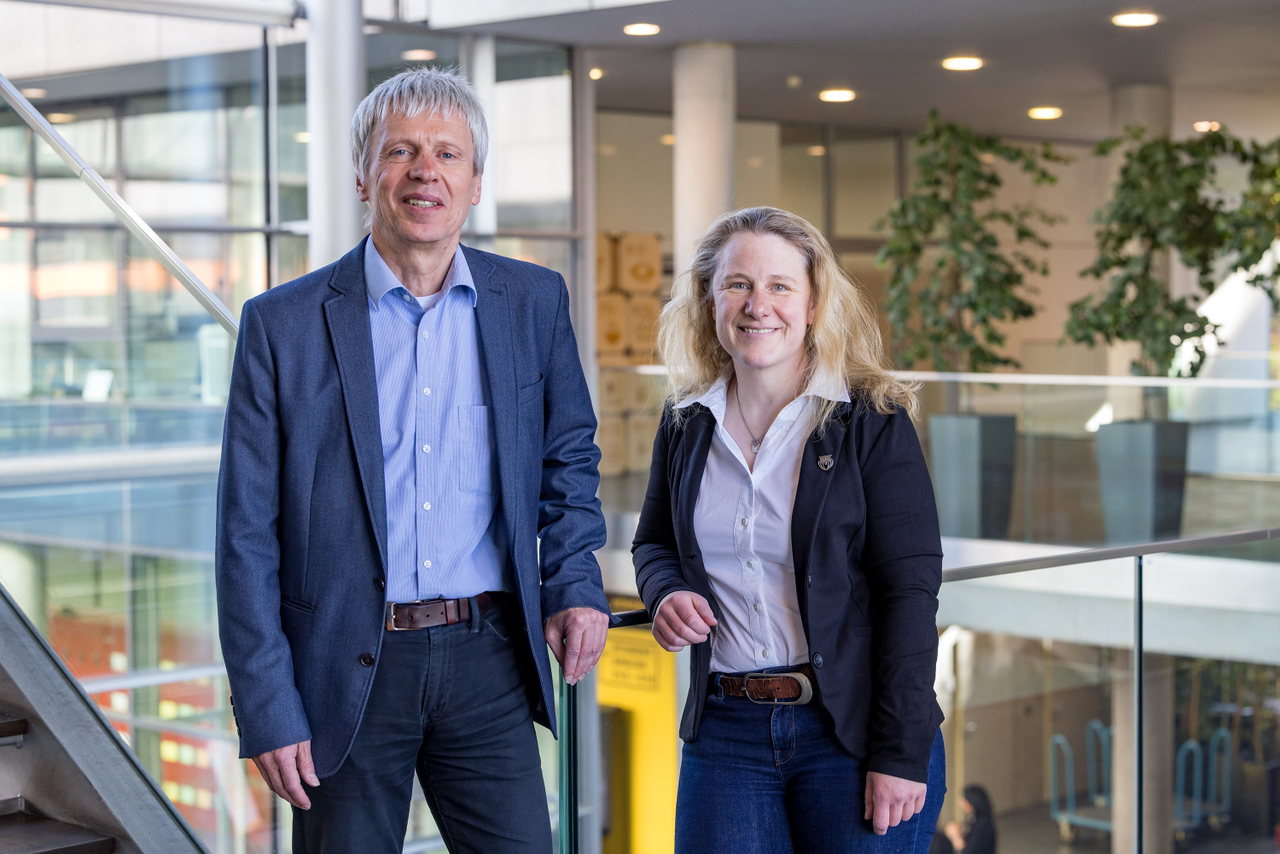
Handover: Cornelia Schneider succeeds Gerhard Jöchtl. © FH Salzburg/wildbild
For over three decades, Gerhard Jöchtl has established and continuously developed the IT Department. Particularly noteworthy are his commitment to practice-oriented teaching, close collaboration with the business community, and the ongoing expansion of research and degree programmes in IT. Today, the department ranks among the leading educational institutions in information technology. It is regarded as a key research partner in the region – a development largely attributable to his many years of work.
— What are the key areas of focus in terms of content as you continue to develop the degree programmes?
A key step at present is the revision of the Bachelor’s degree programme in Information Technology & System Management to align the curriculum more closely with current requirements. In addition, we are considering further developments – particularly in software and systems engineering, industrial informatics, and the stronger integration of AI and cybersecurity.
In doing so, it is important to us to build systematically on existing strengths while meaningfully integrating new topics – also in collaboration with other departments and partners.
— Where do you see the future fields in teaching and research?
Key future fields include artificial intelligence, cyber security, and software and systems engineering – particularly in combination with industrial applications. At the same time, we are closely monitoring technological developments such as quantum computing. Our ambition is not only to keep pace with the state of the art, but to actively contribute to its advancement.
— What skills will IT graduates of the future need to have?
In addition to sound technical expertise, systemic thinking, the ability to manage interfaces, and the capacity to design complex systems are becoming increasingly important. There is a demand for graduates who can not only develop solutions, but also understand requirements, contextualise solutions and integrate them into the wider picture. Lifelong learning is a given in this context.
— Many projects are developed in collaboration with partners from industry. Where do you see further potential?
FH Salzburg is already very well positioned in this regard – for example in areas such as Industrial Informatics, Smart Grids, and Smart Cities. In addition, we see significant potential in further integrating software and systems engineering with industrial applications and Life Sciences/Digital Health and Care. In particular, this is where we can bring our technical expertise to bear even more strongly and continue to develop it together with our partners.
— A look to the future: Where should the IT department be in five years’ time?
Our aim is to be the first port of call for information technology and digitalisation in Salzburg – in teaching, research and collaboration with industry.
What does safety mean to you personally, Cornelia Schneider?
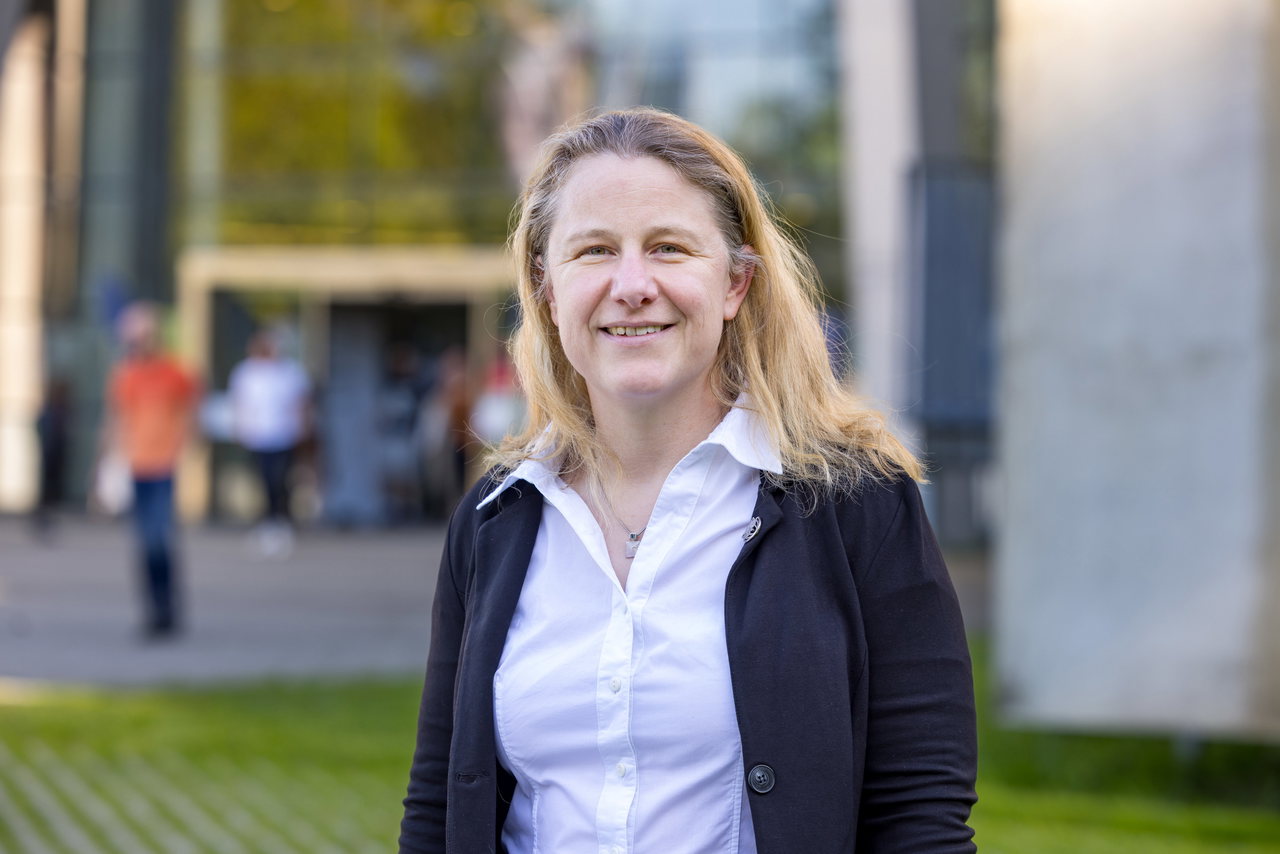
Cornelia Schneider has been head of the IT department at Fachhochschule Salzburg since May 2026.
About Cornelia Schneider
Cornelia Schneider, who was born in the Pinzgau region, brings a wealth of experience from academia, research and industry to Salzburg. Most recently, she headed the Institute of Computer Science at the University of Applied Sciences in Wiener Neustadt for seven years. Prior to that, she worked at Salzburg Research, amongst other places, where she spent around a decade conducting research and completed her PhD in the field of digital recording, processing and evaluation of human movement data in the context of Active and Assisted Living.
A profile of Cornelia Schneider

The magazine of FH Salzburg
© 2026 Fachhochschule Salzburg GmbH · fh-salzburg.ac.at